

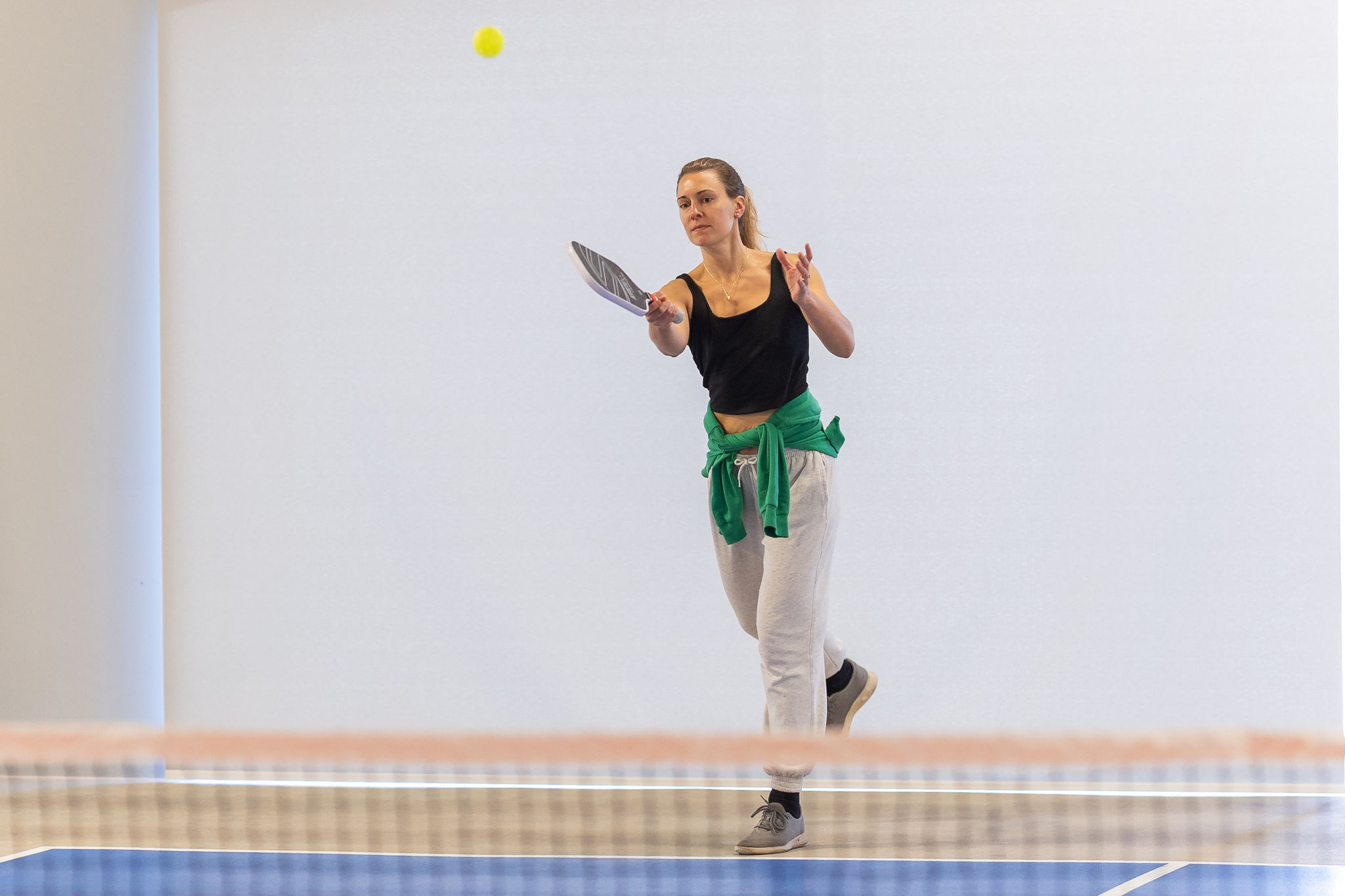
Serving in pickleball looks simple, but if you’ve ever missed a few in a row, you know how frustrating it can be. The serve starts every point, sets the tone for the rally, and gives you your first opportunity to apply pressure. For beginners, especially, learning the correct pickleball serve early can make the difference between enjoying the game and constantly playing catch-up.
Whether you’re brand new to playing pickleball or trying to clean up bad habits, you’ll learn proper technique, common mistakes, and smart pickleball serve tips that actually work in real games.
Why the Pickleball Serve Matters More Than You Think
Unlike tennis, pickleball doesn’t allow you to score points with overpowering aces. That leads many pickleball players to underestimate the serve. In reality, a reliable serve does three important things:
- Starts the point legally every time
- Puts your opponent on the defensive
- Sets you up for a strong pickleball return on the next shot
For beginner pickleball, consistency matters far more than speed. Once you can get serves in confidently, you’ll immediately notice longer rallies and fewer free points given away.
What Type of Serve Is Required in Pickleball?
Before technique, you need to understand the pickleball rules that govern serving. According to the official rules, the serve must meet all of the following requirements:
- It must be hit underhand
- Contact with the ball must be below the navel
- The paddle head must be below the wrist at contact
- The server must stand behind the baseline
- The serve must travel diagonally into the opposite service box
- The ball must clear the non-volley zone
This is known as the volley serve, which is the most common and widely used serve in pickleball.
There is also a drop serve, which we’ll cover later, and both are legal under current rules.
Pickleball Serve Technique: The Foundation
If you’re looking for the best pickleball serve technique, it starts with a few fundamentals that apply to all skill levels.
Your Stance
Your stance creates balance and consistency.
- Open stance: Feet more parallel to the baseline, chest facing the net
- Closed stance: Front foot angled toward the target, shoulders turned slightly
Most beginners feel more comfortable starting with an open stance, while advanced players often prefer a closed stance for added control.
Regardless of which you choose:
- Keep your feet behind the baseline
- Stay balanced and relaxed
- Avoid stepping forward during contact
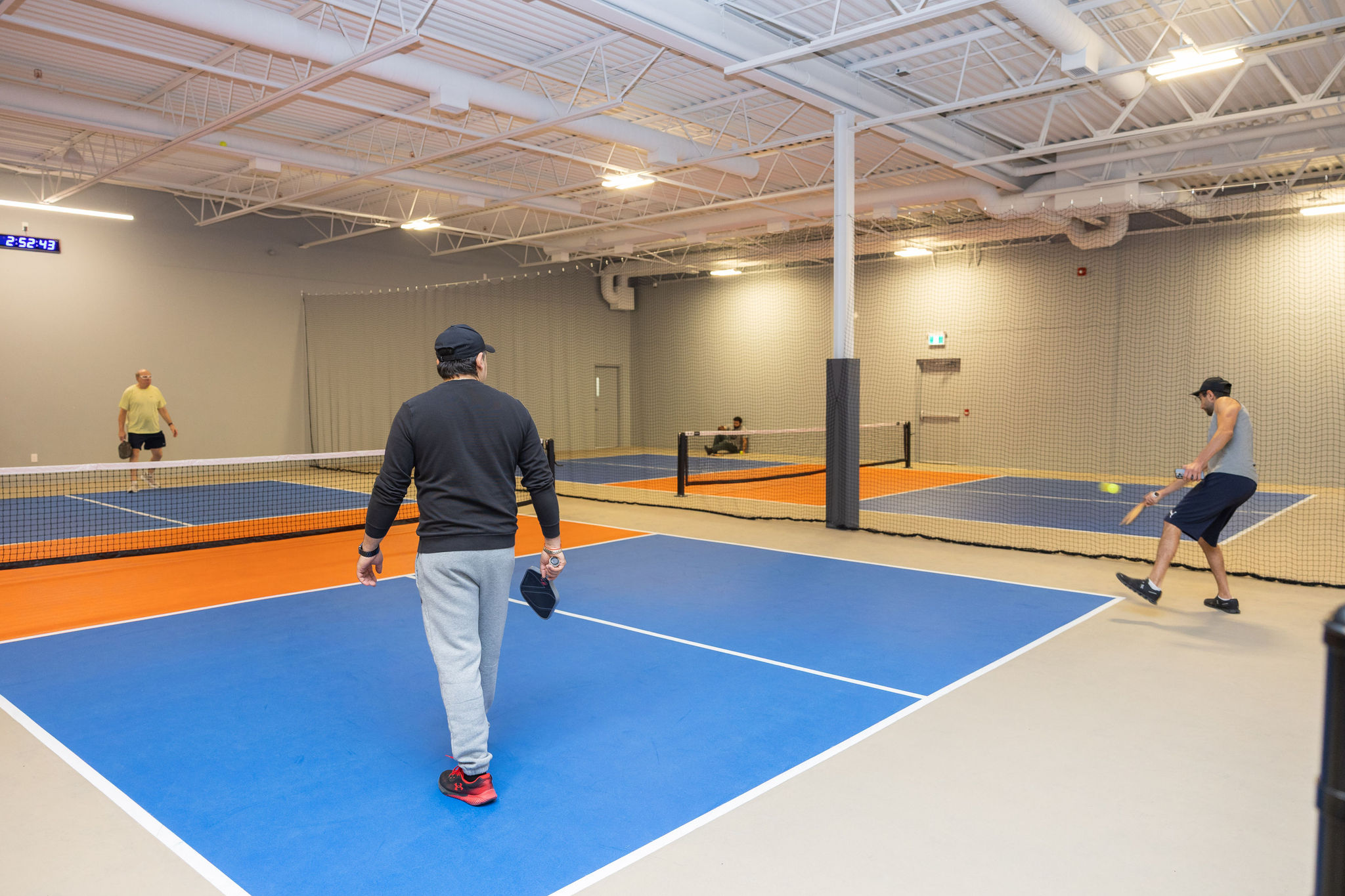
How to Serve in Pickleball Step by Step
If you want a clear, repeatable process, use this step-by-step approach.
- Stand behind the baseline on the correct side of the pickleball court
- Hold the ball in your non-dominant hand
- Drop or release the ball naturally (don’t toss it up)
- Swing your paddle underhand in a smooth motion
- Make contact below your navel
- Follow through toward your target
This simple routine is the best way to serve in pickleball for beginners because it minimizes errors and builds confidence.
Pickleball Serve for Beginners: Focus on Consistency First
Many new players ask how to add spin or power right away. The truth is, the most effective pickleball serves for beginners are deep, controlled, and consistent.
At the beginner level:
- Aim for the back third of the service box
- Clear the net by a safe margin
- Avoid the sidelines until consistency improves
This approach aligns with the most effective pickleball serving tips for beginners and prevents unnecessary faults.
Types of Pickleball Serves You Should Know
As you gain confidence, you’ll start exploring different pickleball serves. You don’t need all of them right away, but understanding your options helps you grow.
The Standard Volley Serve
This is the classic serve used by most players. It’s simple, reliable, and legal in all formats.
Best for:
- Beginners
- Players focusing on consistency
- Match play
The Drop Serve
The drop serve allows the ball to bounce before you hit it. It removes the below-the-navel and wrist restrictions, making it very forgiving.
Best for:
- Players struggling with legality
- Anyone rebuilding their serve
- Calm, controlled serving
Many instructors recommend the drop serve during pickleball lessons because it reinforces good habits.
Power Serve
A faster, more aggressive serve designed to push opponents back.
Best for:
- Intermediate players
- Situational use
- Mixing up pace
Power should always come after consistency.
Different Serves in Pickleball: Spin and Placement
Once your basics are solid, you can explore pickleball serve techniques that add variety.
- Topspin serve: Ball dips faster, harder to attack
- Slice serve: Moves sideways, disrupts timing
- Deep serve: Pushes opponents back
These different serves in pickleball are tools, not necessities. Use them strategically, not constantly.
Pickleball Serving Strategy: Serving with Purpose
A good serve isn’t about winning the point immediately; it’s about setting up the rally.
Smart pickleball serving strategies include:
- Serving deep to limit aggressive returns
- Targeting a weaker backhand
- Varying placement, not speed
- Serving to give yourself time to move forward
This is where pickleball strategy begins to separate casual play from confident play.
How to Improve Pickleball Serve Over Time
If you’re wondering how to improve your pickleball serve, focus on repetition and feedback.
Here’s what works:
- Practice 10–15 minutes before games
- Use the same pre-serve routine every time
- Film yourself occasionally
- Take structured pickleball lessons if possible
Incremental improvements lead to long-term confidence.
Common Serving Mistakes (and How to Fix Them)
Many serving issues come from habits carried over from tennis or rushing the motion.
Common Mistakes
- Overhand motion
- Tossing the ball upward
- Stepping on the baseline
- Swinging too hard
Fixes
- Slow down
- Relax your grip
- Focus on clean contact with the ball
- Prioritize legality over power
Correcting these early makes a huge difference.
Pickleball Tips for Serving Under Pressure
Serving during a close game feels different than casual practice.
Use these pickleball tips for serving under pressure:
- Take a breath before each serve
- Stick to your most reliable serve
- Ignore distractions
- Trust your routine
Pressure reveals habits, good or bad. Build good ones now.
How to Serve Better in Pickleball as You Improve
As your skill grows, your serve becomes more about intention than mechanics.
To serve better in pickleball:
- Know where you want the return to go
- Adjust depth based on opponent position
- Mix in variety sparingly
- Stay patient
Even advanced pickleball players miss serves; what matters is limiting those mistakes.
Best Way to Serve Pickleball for Long-Term Success
The best way to serve pickleball isn’t flashy. It’s reliable, legal, and repeatable.
Remember:
- Consistency beats power
- Placement beats speed
- Strategy beats force
A strong serve builds confidence in every other part of your game.
Final Thoughts: Build a Serve You Can Trust
Learning how to serve in pickleball is one of the fastest ways to improve your overall game. By focusing on solid technique, understanding the rules, and applying smart pickleball serve tips, you’ll start every point with confidence instead of anxiety.
Whether you’re just starting beginner pickleball or refining your approach, the serve is your foundation. Build it patiently, practice it regularly, and let it grow with your game.