

Pickleball has earned its reputation as one of the most welcoming and accessible sports around. But if you’ve ever stepped onto a court as a beginner, or even as an intermediate player, you’ve probably committed a rule violation without realizing it. That moment when play suddenly stops, your opponent points to the kitchen line, and everyone looks at you? It happens to almost everyone.
Understanding common pickleball rule violations is one of the fastest ways to improve your game, avoid unnecessary faults, and feel more confident on the court. This guide breaks down the most frequent mistakes players make, why they happen, and, most importantly, how to avoid them.
Whether you’re new to the sport or just looking to clean up your play, this article will help you play smarter, fairer, and with fewer awkward stoppages.
Why Pickleball Rule Violations Are So Common
Pickleball looks deceptively simple. The court is small, the paddle is light, and rallies feel manageable. But the sport has a few unique rules that don’t exist in tennis, badminton, or ping-pong, and that’s where players get tripped up.
Most violations happen because:
- Players rely on instincts from other sports
- The rules are misunderstood or forgotten mid-rally
- Movement and momentum take over in fast exchanges
- Beginners aren’t corrected early and build bad habits
The good news? Almost every violation is easy to fix once you know what to watch for.
1. Stepping Into the Kitchen on a Volley
This is the most common pickleball rule violation, by far.
The non-volley zone, commonly called “the kitchen”, prevents players from smashing volleys at the net. If you volley the ball (hit it before it bounces), both feet must be completely outside the kitchen.
Common Mistakes
- Stepping on the kitchen line during a volley
- Letting momentum carry you into the kitchen after contact
- Thinking the rule only applies to where you’re standing, not where you land
How to Avoid It
- Let balls bounce if you’re near the kitchen line
- Practice controlled footwork at the net
- Remember: momentum counts; where you land matters
If you volley the ball and your foot touches the kitchen line even a split second later, it’s a fault.
2. Violating the Two-Bounce Rule
The two-bounce rule is another pickleball-specific rule that players often forget in the heat of the moment.
After the serve:
- The receiving team must let the serve bounce
- The serving team must let the return bounce
- Only after those two bounces can volleys occur
Common Mistakes
- Volleying the return of serve
- Forgetting the rule during fast-paced doubles play
- Assuming the rule no longer applies mid-rally
How to Avoid It
- Say “bounce” in your head during the first two shots
- Play conservatively on returns
- Build rhythm before attacking
Once the two bounces happen, you’re free to volley, but not before.
3. Illegal Serves
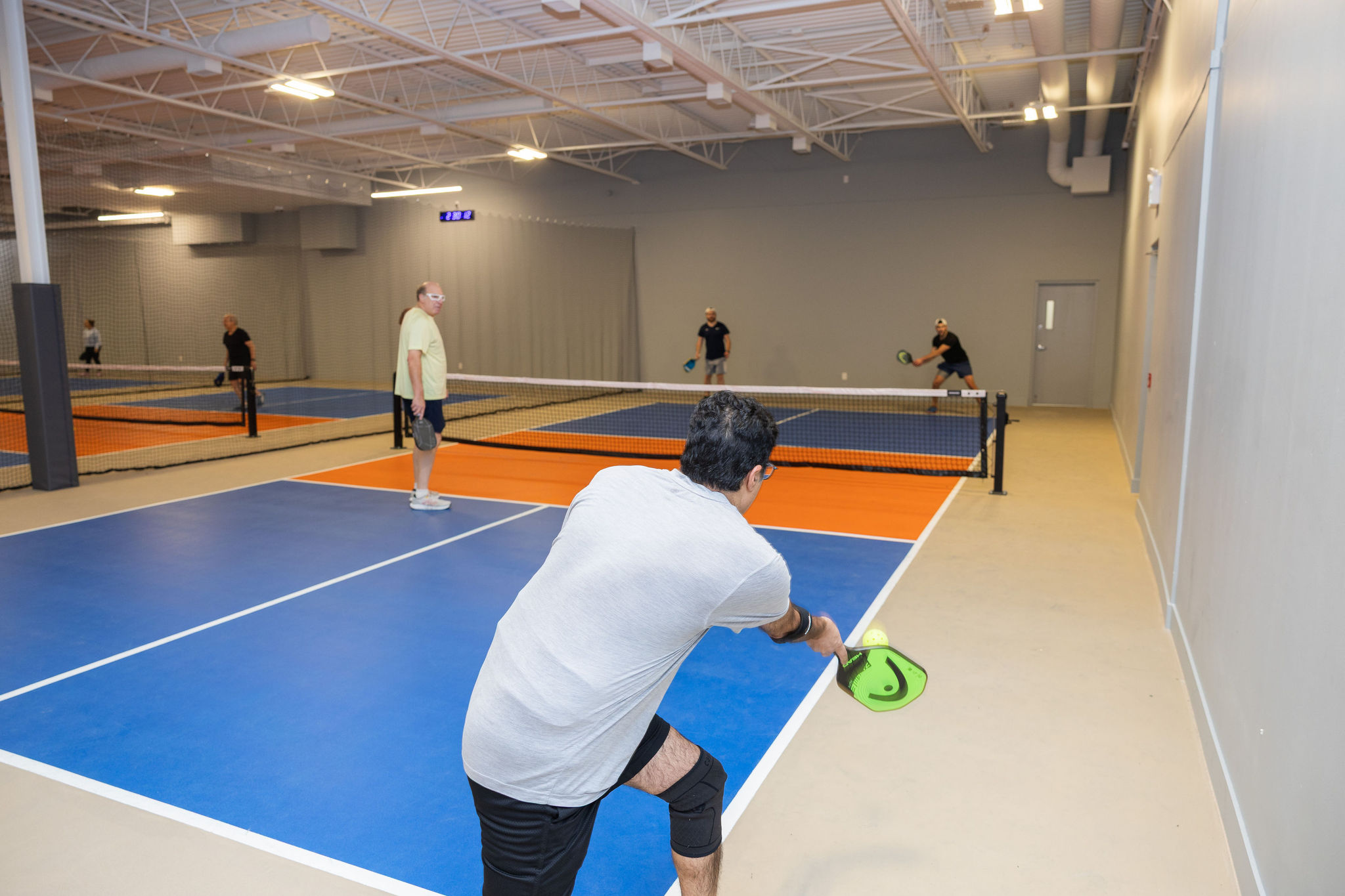
Serving seems simple, yet it’s one of the most frequent sources of rule violations.
Common Serve Violations
- Serving overhand instead of underhand
- Contacting the ball above the navel
- Paddle head above the wrist at contact
- Foot faults (stepping on or inside the baseline)
How to Avoid It
- Keep your serve smooth and underhand
- Watch your paddle angle
- Start behind the baseline with both feet
- Don’t rush; serve consistency matters more than power
Many recreational games are forgiving, but illegal serves are still faults, even if no one calls them out.
4. Foot Faults at the Baseline
A foot fault occurs when your foot touches the baseline or enters the court while serving.
Why It Happens
- Players lean forward during the serve
- Momentum carries the foot forward
- Players rush their motion
How to Avoid It
- Start a step or two behind the baseline
- Focus on balance, not power
- Pause before serving to check foot placement
Developing a consistent serving routine helps eliminate this violation almost entirely.
5. Hitting the Ball Out of Bounds
This one seems obvious, but it’s still among the most common faults, especially for aggressive players.
Common Causes
- Overhitting drives
- Poor shot selection
- Trying to end the rally too early
How to Avoid It
- Aim for margin, not lines
- Focus on placement instead of power
- Be patient, pickleball rewards consistency
Smart players win more points by forcing mistakes than by hitting winners.
6. Double Hits (And When They’re Legal)
Double hits cause confusion because sometimes they’re allowed.
A double hit is legal if:
- It happens during a single, continuous motion
- It’s unintentional
It’s illegal if:
- The ball is intentionally struck twice
- The motion stops and restarts
How to Avoid Problems
- Use smooth, controlled swings
- Avoid jabbing or poking at the ball
- Let the paddle do the work
If it looks like one motion, it usually is legal.
7. Catching or Carrying the Ball
The ball must be struck cleanly; it can’t be caught, scooped, or carried on the paddle face.
Common Situations
- Soft net shots with too much paddle angle
- Defensive blocks where the ball “rests” on the paddle
- Slow-motion swings
How to Avoid It
- Keep your paddle face firm
- Use quick, compact strokes
- Avoid excessive wrist motion
Clean contact prevents both faults and bad habits.
8. Wrong Server or Wrong Service Court
In doubles, especially, confusion about serving order leads to frequent violations.
Common Mistakes
- Serving out of rotation
- Serving from the wrong side of the court
- Forgetting the score before serving
How to Avoid It
- Always call the score before serving
- Learn the serving sequence early
- Communicate with your partner
Calling the score out loud helps everyone stay aligned and prevents disputes.
9. Scoring Errors and Misunderstandings
Pickleball scoring is simple but different.
Only the serving team can score points, and games are typically played to 11, win by two.
Common Errors
- Awarding points to the receiving team
- Forgetting the second server in doubles
- Miscounting rallies
How to Avoid It
- Learn traditional and rally scoring formats
- Call the score clearly
- Stop play if there’s confusion
Most recreational games allow replays if the score is unclear; don’t be afraid to reset.
10. Net Contact Violations
Touching the net or net post during play is a fault.
Common Scenarios
- Lunging for a ball at the net
- Paddle brushing the net during a volley
- Clothing or hat touching the net
How to Avoid It
- Maintain balance at the kitchen line
- Avoid overreaching
- Let difficult balls go
Discipline at the net prevents both injuries and faults.
How Rule Awareness Improves Your Game
Avoiding rule violations doesn’t just prevent lost points; it actively makes you a better player.
You’ll notice:
- Longer rallies
- Better court positioning
- Improved consistency
- Fewer disputes and interruptions
Players who understand the rules play with more confidence and control, which often leads to winning more games, even without hitting harder shots.
Best Way to Learn and Remember the Rules
If you want to minimize violations:
- Watch experienced players
- Play with people who call rules correctly
- Take a beginner clinic or lesson
- Ask questions; pickleball communities are welcoming
Most mistakes happen because players are unsure, not because they’re careless.
Final Thoughts: Play Smart, Play Fair
Pickleball is easy to start but rewards attention to detail. Knowing common pickleball rule violations and how to avoid them helps you move from “new player” to confident competitor faster than almost anything else.
Mistakes are part of learning, but once you recognize them, you can correct them quickly and enjoy the game more. Focus on footwork, patience, and rule awareness, and you’ll find yourself playing cleaner, smarter pickleball in no time.
And remember: everyone on the court was a beginner once.