

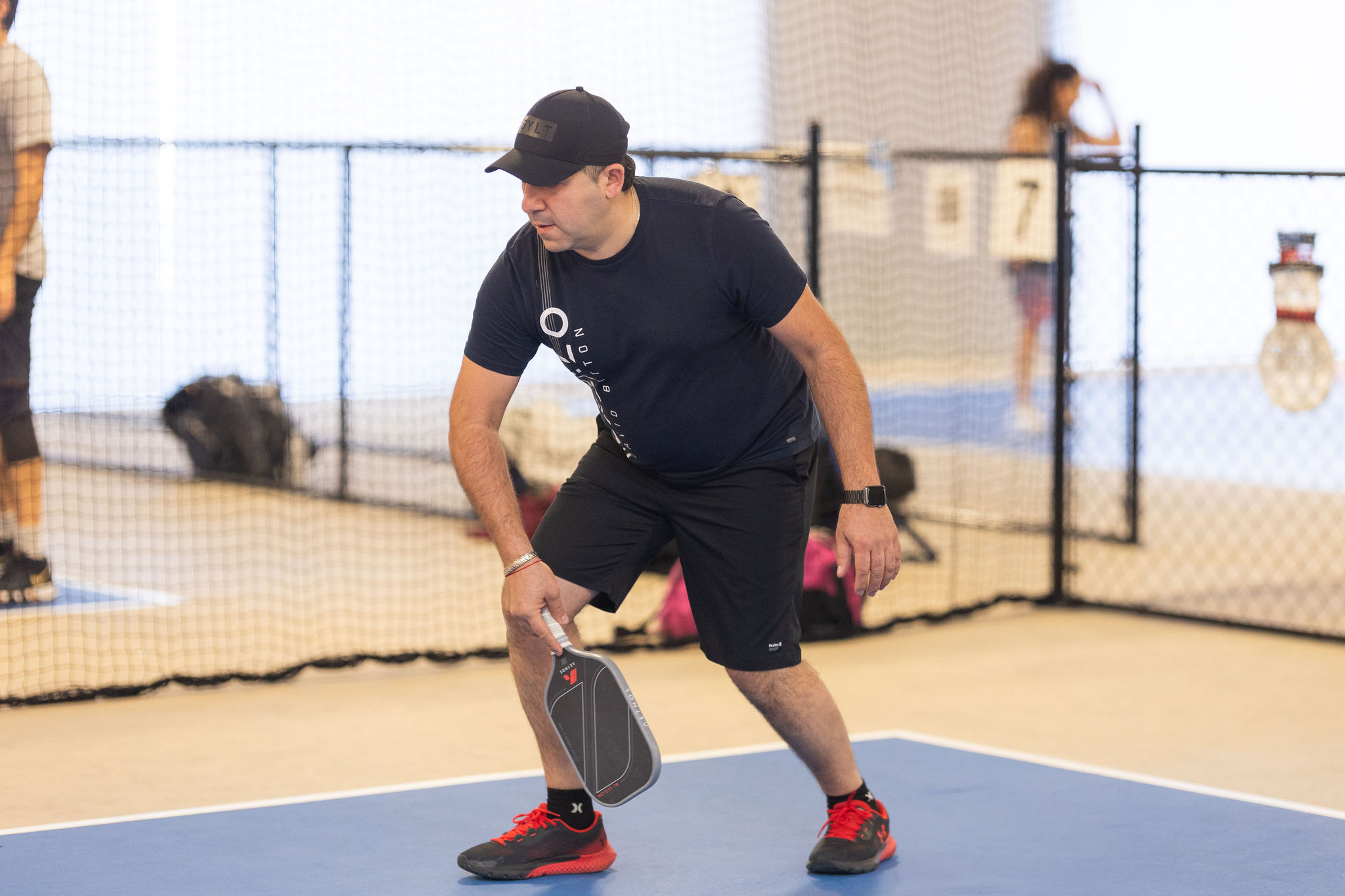
Starting pickleball is exciting, but it can also feel overwhelming the first time you step onto the court. You might see experienced players calmly placing shots, controlling the pace, and winning points without swinging hard. Meanwhile, you’re wondering which shots you actually need to learn to play confidently.
Here’s the good news: you don’t need dozens of advanced techniques to enjoy pickleball. In fact, mastering just a handful of basic pickleball shots will dramatically improve your consistency, confidence, and enjoyment of the game.
In this guide, we’ll walk through the essential shots every new player should learn, explain when to use them, and help you avoid the most common mistakes along the way.
Why Learning the Right Pickleball Shots Matters
Pickleball isn’t about power; it’s about placement, control, and smart decisions. Many beginners try to hit the ball too hard, thinking that speed wins points. In reality, most points at beginner and intermediate levels are won by mistakes, not winners.
By learning the correct shots early, you’ll:
- Keep the ball in play longer
- Reduce unforced errors
- Gain confidence in rallies
- Understand the flow of the game
Let’s start with the shots you’ll use from the very first game.
1. The Underhand Serve
The serve is how every point begins, and it’s one of the most important shots to get right.
What the Underhand Serve Is
In pickleball, all serves must be underhand, with contact made below the navel and the paddle head below the wrist. The ball must land diagonally in the opposite service box and clear the non-volley zone.
Why It Matters
A consistent serve puts pressure on your opponent without risking faults. You don’t need power, just accuracy.
Beginner Tips
- Aim deep, near the baseline
- Focus on consistency, not speed
- Use a smooth, relaxed swing
A reliable serve alone can win you many points at the beginner level.
2. The Return of Serve
The return is often overlooked, but it’s one of the most important shots in pickleball.
What It Is
The return of serve must bounce before being hit and should ideally land deep in the opponent’s court.
Why It Matters
A deep return gives you time to move forward to the net, which is where most points are won.
Beginner Tips
- Aim high and deep
- Don’t rush, control the shot
- Move toward the non-volley zone after your return
A strong return sets you up for success in the rally.
3. The Groundstroke
Groundstrokes are shots hit after the ball bounces. You’ll use them frequently from the baseline and mid-court.
Forehand Groundstroke
This is usually the easiest shot for beginners to learn.
Tips:
- Keep your paddle face slightly open
- Use a short, controlled swing
- Follow through toward your target
Backhand Groundstroke
This can feel awkward at first, but it’s essential.
Tips:
- Use two hands if it feels more comfortable
- Keep your wrist firm
- Focus on placement, not power
Groundstrokes help you stay in the rally and avoid unnecessary errors.
4. The Volley
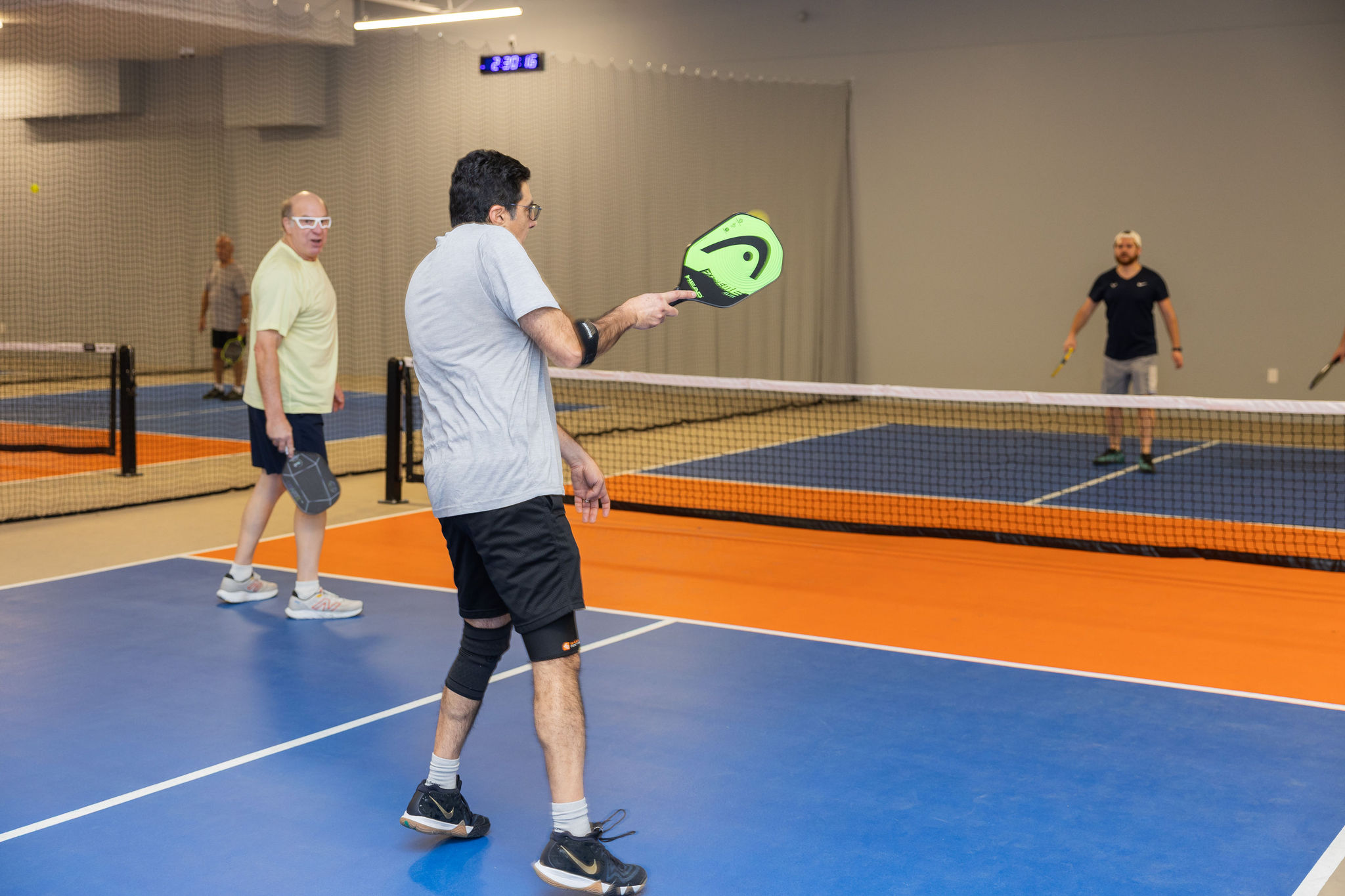
A volley is a shot hit out of the air before the ball bounces. Volleys are common near the net, but remember, they’re not allowed in the non-volley zone.
Why Volleys Are Important
Volleys let you apply pressure and control the pace of the game.
Beginner Tips
- Keep your paddle up and ready
- Use short, compact movements
- Avoid big swings
Think of volleys as blocks or redirects rather than full swings.
5. The Dink Shot
The dink is arguably the most important shot in pickleball, and one that beginners often underestimate.
What Is a Dink?
A dink is a soft shot that lands in your opponent’s non-volley zone, forcing them to hit the ball upward.
Why It Matters
Dinking slows the game down and creates opportunities for your opponent to make mistakes.
Beginner Tips
- Use a gentle, controlled motion
- Aim just over the net
- Stay patient; dinking is a rally, not a winner
Learning to dink is a turning point for many new players.
6. The Drop Shot
The drop shot helps you transition from the baseline to the net.
What It Is
A soft shot hit from deeper in the court that lands in the opponent’s non-volley zone.
Why It Matters
It neutralizes aggressive opponents and allows you to move forward safely.
Beginner Tips
- Lift the ball gently
- Use a relaxed grip
- Don’t try to make it perfect; consistency matters more
A good drop shot keeps rallies balanced and strategic.
7. The Third Shot Drop
This is a specific type of drop shot and one of the most important concepts in pickleball.
What Is the Third Shot Drop?
After the serve and return, the serving team hits the third shot. Instead of driving the ball hard, many players hit a soft drop into the kitchen.
Why It Matters
It prevents your opponents from attacking and helps you reach the net.
Beginner Tips
- Focus on height and softness
- Expect mistakes at first; it takes practice
- Prioritize control over precision
Even a decent third shot drop can change the flow of a point.
8. The Drive Shot
The drive is a harder, flatter shot used to apply pressure or force errors.
When to Use It
- When the ball is high
- When opponents are back
- As a change-up to keep opponents guessing
Beginner Tips
- Don’t overuse drives
- Aim for safe targets
- Keep the ball in bounds
Drives are useful, but they shouldn’t be your default shot.
9. The Lob
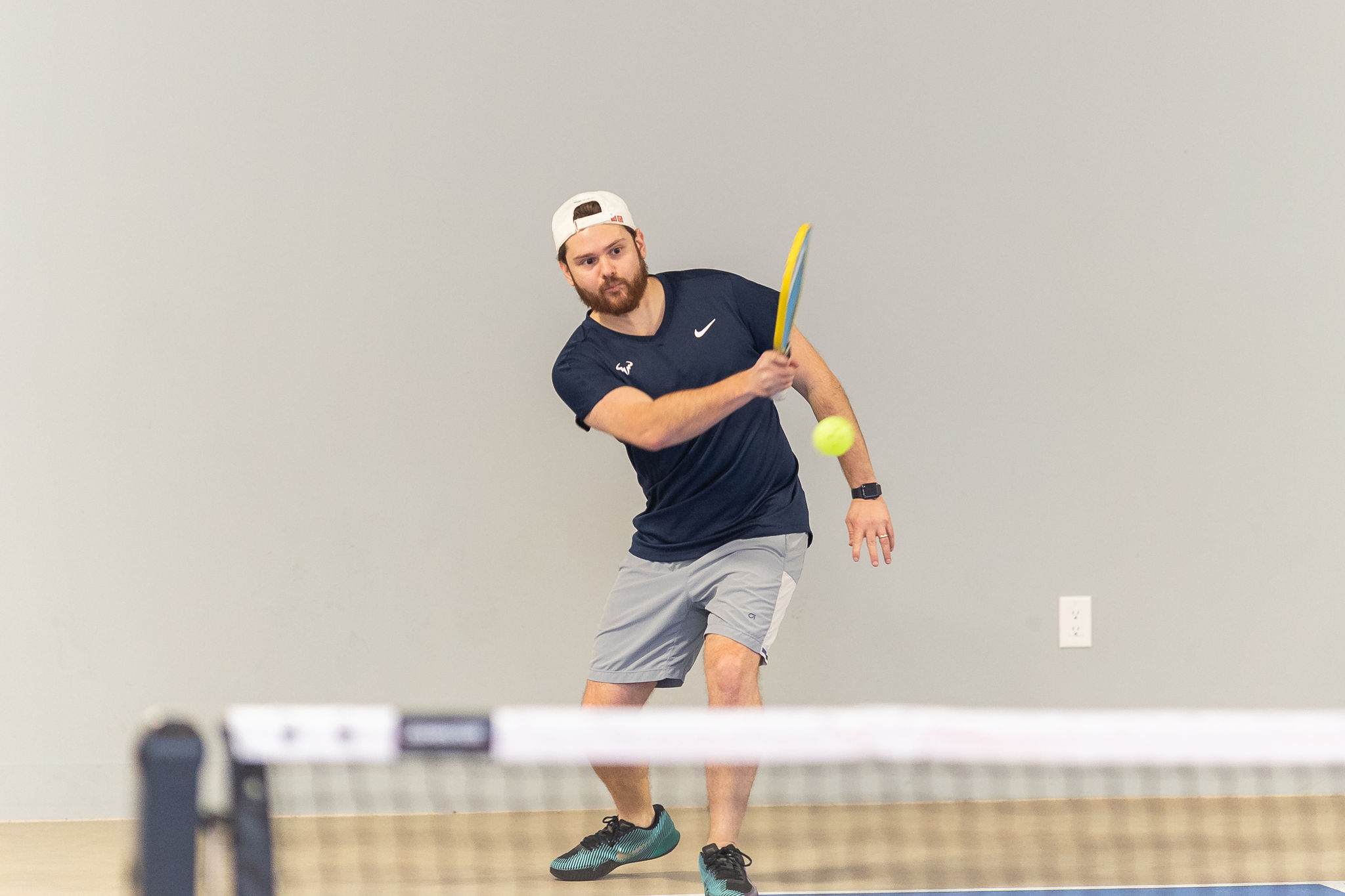
The lob sends the ball high over your opponent’s head, pushing them back.
Why It’s Useful
- Resets the point
- Exploits opponents who crowd the net
- Buys time when you’re under pressure
Beginner Tips
- Use lobs sparingly
- Aim high, not fast
- Be prepared for overhead returns
A well-timed lob can completely shift momentum.
10. The Block or Reset Shot
This shot helps you regain control during fast exchanges.
What It Is
A soft, controlled shot that neutralizes a hard hit ball, usually from mid-court or the net.
Beginner Tips
- Soften your grip
- Absorb the pace
- Aim into the non-volley zone
Blocks are about control, not offense.
Common Mistakes Beginners Make with Shots
Understanding common mistakes helps you improve faster.
- Swinging too hard
- Standing too far back
- Avoiding the non-volley zone
- Trying to win points too early
Pickleball rewards patience more than aggression.
How to Practice These Shots Effectively
You don’t need hours of drills to improve.
Try:
- Practicing serves for 10 minutes per session
- Dinking with a partner
- Hitting controlled rallies instead of competitive games
- Focusing on one shot per session
Small improvements add up quickly.
What to Learn First as a Beginner
If you’re just starting, prioritize these shots:
- Underhand serve
- Return of serve
- Groundstrokes
- Dink
- Volley
Mastering these will carry you through most beginner games.
Final Thoughts: Simple Shots, Big Progress
Pickleball is a game of smart choices, not flashy shots. By learning the basic pickleball shots every beginner should learn, you give yourself the tools to play confidently, reduce mistakes, and enjoy the game from day one.
You don’t need to be perfect. Focus on consistency, patience, and placement, and the rest will come naturally. Grab your paddle, step onto the court, and enjoy the process. Pickleball is meant to be fun.